How Much Does Custom Logo Apparel Cost for Businesses?
Custom logo apparel is a common investment for companies that want to present a professional image, outfit employees, or promote their brand. However, there is no single fixed price for branded garments. The cost varies widely depending on factors such as the type of apparel, the decoration method used, the size of the order, and any setup requirements.
Most suppliers price business orders based on a combination of garment cost and customization expenses. For example, bulk orders typically reduce the price per item, while higher-quality garments or more complex logos increase the total cost. Additional fees—such as artwork preparation or logo digitization, may also apply, especially for first-time orders.
Because of these variables, pricing is usually presented as ranges rather than exact figures. Some providers offer starting prices for basic items, while others require a quote to calculate the final amount. In general, businesses can expect the per-piece cost to decrease as quantities increase and to vary depending on whether the logo is printed or embroidered.
Understanding how these elements influence pricing helps companies set realistic budgets and choose the most cost-effective option for their needs.
What Determines the Cost of Custom Logo Apparel?
Several key variables influence how much businesses ultimately pay for custom logo garments. Most suppliers base pricing on a combination of production method, order size, garment quality, and customization requirements. Understanding these factors helps explain why quotes can vary significantly for seemingly similar orders.
Decoration Method (Screen Printing, Embroidery, DTF)
The technique used to apply the logo is one of the biggest cost drivers. Screen printing is often economical for large runs with simple designs, while embroidery typically costs more due to stitching time and setup requirements. Digital printing methods may be suitable for smaller orders or detailed graphics, but pricing depends on the specific process used.
Many providers publish separate pricing guidance for each method because production time, materials, and equipment differ substantially.
Order Quantity and Bulk Pricing Tiers
Businesses benefit from volume pricing. Most suppliers reduce the per-item cost as order quantities increase because setup costs are spread across more units. This is why bulk orders are commonly recommended for corporate apparel programs.
Large orders also allow manufacturers to optimize production runs, which lowers labor and material costs per piece.
Garment Type, Fabric, and Brand Quality
Not all garments cost the same. Basic T-shirts typically start at lower price points, while polos, workwear, or premium brands increase the base cost before customization is added. Fabric weight, durability requirements, and intended use all influence the final price.
For example, uniforms designed for daily wear may cost more due to higher-quality materials.
Logo Complexity, Colors, and Size
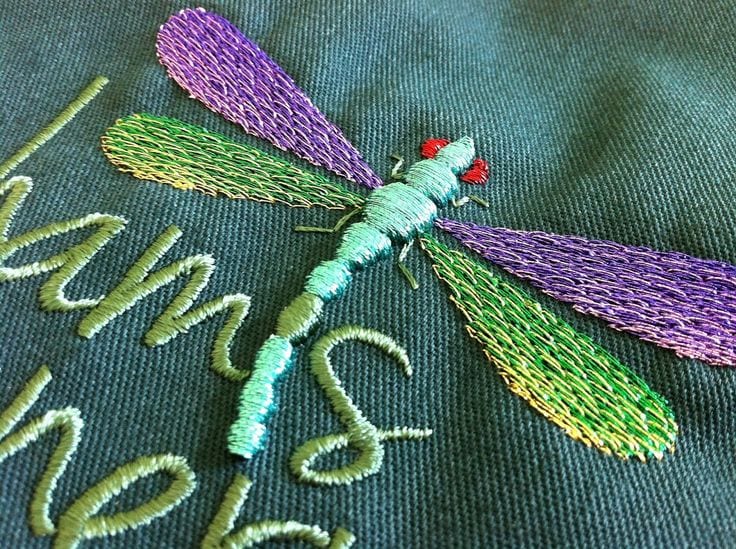
The design itself can affect production time and cost. Logos with multiple colors, larger print areas, or detailed stitching require more resources to produce. Embroidered logos, in particular, may be priced based on stitch count, while printed designs may incur additional charges for extra colors.
Simpler designs generally result in lower customization costs.
Setup Fees and One-Time Costs
Many suppliers charge initial setup fees for preparing artwork or configuring production equipment. For embroidery, this often includes digitizing the logo into a stitch file. Screen printing may involve creating screens for each color in the design.
These charges are usually one-time costs for new orders and may not apply to repeat purchases using the same artwork.
Typical Price Ranges for Custom Logo Apparel (Business Orders)
Because pricing depends on multiple variables, most providers present estimates as ranges rather than fixed numbers. These ranges help businesses budget while recognizing that final quotes depend on exact specifications.
Estimated Cost for Custom T-Shirts in Bulk
Basic custom T-shirts are often the most economical option for corporate orders. Some suppliers advertise starting prices for simple shirts, with the final amount determined by quantity and design details. Bulk orders typically produce the lowest per-unit cost.
Estimated Cost for Custom Polos and Workwear
Polos, button-downs, and durable work garments usually cost more than standard T-shirts because of higher garment prices and more complex decoration methods. Embroidery is frequently used for these items, which can further increase costs compared with basic printing.
Embroidered Apparel Pricing vs Printed Apparel Pricing
Embroidered items are commonly positioned as a premium option due to durability and professional appearance. Printed apparel may be less expensive for large quantities, particularly when the design is simple.
Some suppliers provide general per-piece estimates for embroidered items at moderate quantities, while emphasizing that pricing varies based on logo size and stitch count.
How Pricing Changes at 50, 100, and 200 Units
As order sizes grow, the per-item cost typically decreases. Businesses ordering larger quantities benefit from economies of scale, since setup and production costs are distributed across more pieces. This pricing structure is standard across most corporate apparel providers.
Get an exact price for your project, no obligation, tailored to your business needs, request a custom quote here.
Screen Printing vs Embroidery vs DTF — Which Is Most Cost-Effective?
Choosing the right decoration method is not only a design decision but also a financial one. Each technique offers advantages depending on order size, garment type, and intended use.
Best Option for Large Corporate Orders
For high-volume orders with straightforward designs, methods optimized for bulk production tend to be the most cost-efficient. These approaches reduce the per-item price once setup is complete, making them suitable for company-wide apparel programs.
Best Option for Premium or Long-Term Uniforms
When durability and a polished appearance are priorities, embroidery is often preferred. It withstands repeated washing and conveys a professional look, which is why it is commonly used for uniforms and workwear.
Although the upfront cost may be higher, the longevity can make it cost-effective over time.
When DTF or Digital Printing Makes Sense
Digital methods may be appropriate for smaller runs or designs with fine detail. They can reduce setup requirements compared with traditional techniques, making them useful when businesses need limited quantities or highly detailed graphics.
Hidden Costs Businesses Should Know Before Ordering
Beyond the base price per garment, several additional expenses can affect the total project cost. These charges are not always obvious at first glance but are commonly included in supplier pricing structures.
Artwork Preparation or Logo Digitization Fees
Preparing a logo for production often requires technical work. Embroidery typically needs a digitized file, while printing may require color separation or layout adjustments. These services are usually billed as one-time setup costs.
Additional Colors or Logo Placements
Adding more colors to a printed design or placing logos in multiple locations (such as front and back) can increase production time and material usage. Suppliers often charge extra for each additional element.
Shipping, Rush Orders, and Reorder Costs
Delivery timelines and shipping methods can also influence the final price. Expedited production or shipping services may incur additional fees, while repeat orders using existing artwork may reduce setup costs.
How to Estimate an Accurate Price for Your Business Order
Since so many variables influence pricing, obtaining an accurate estimate requires clear project details. Suppliers typically calculate quotes based on specific inputs rather than generic assumptions.
Information You Need Before Requesting a Quote
Businesses should be prepared to provide:
- Garment type and style
- Estimated quantity
- Decoration method preference
- Logo artwork
- Desired delivery timeline
Providing complete information allows suppliers to generate precise pricing.
Why Businesses Should Request Samples or Mockups First
Samples or digital mockups help confirm quality, sizing, and design placement before committing to a large order. This step can prevent costly revisions and ensures the final product meets expectations.
Tips to Reduce the Cost of Custom Logo Apparel
Businesses can take several practical steps to control expenses without compromising effectiveness.
Ordering Larger Quantities Strategically
Placing larger orders typically lowers the cost per item. Some organizations consolidate purchases across departments or events to maximize volume discounts.
Simplifying Logo Design for Production
Reducing color count or design complexity can decrease production time and setup requirements. Simpler logos are often more economical to produce.
Choosing the Right Garment for the Use Case
Selecting apparel that matches the intended purpose avoids overspending on unnecessary features. For example, promotional giveaways may not require premium materials, while daily uniforms may justify higher-quality garments.
How to Choose the Right Supplier for Corporate Apparel
Price is important, but reliability and quality are equally critical for business orders.
Quality, Reliability, and Turnaround Time
Consistent production quality and dependable delivery schedules are essential, especially for organizations that rely on uniforms or event merchandise.
Experience with Large or Recurring Orders
Suppliers accustomed to handling bulk or repeat orders are better equipped to maintain consistency across batches and over time.
Support, Design Assistance, and After-Sales Service
Professional guidance on garment selection, logo placement, and sizing can improve outcomes and reduce errors. Ongoing support is valuable for long-term apparel programs.
Get a Custom Logo Apparel Quote for Your Business
Because pricing varies based on specific requirements, the most reliable way to determine cost is to request a tailored quote. Providing detailed information about your needs allows suppliers to calculate accurate pricing and recommend the most cost-effective options.
A customized estimate also helps businesses compare vendors based on both price and service offerings.
Frequently Asked Questions About Custom Logo Apparel Pricing
How much do custom company shirts typically cost?
Costs vary widely depending on garment type, quantity, and decoration method. Basic items may start at lower price points, while premium garments or complex designs increase the total.
Is embroidery more expensive than printing?
Embroidery often has higher upfront costs due to setup and stitching time, but it provides durability and a professional appearance that may justify the expense.
Do prices decrease for repeat orders?
If the same artwork is reused, setup fees may be reduced or eliminated, which can lower the overall cost of future orders.
What is the minimum order for business apparel?
Minimum quantities vary by supplier and decoration method. Some providers offer flexible options, while others require larger runs to optimize production.
How long does production usually take?
Turnaround time depends on order size, customization complexity, and production capacity. Rush services may be available for an additional fee.